
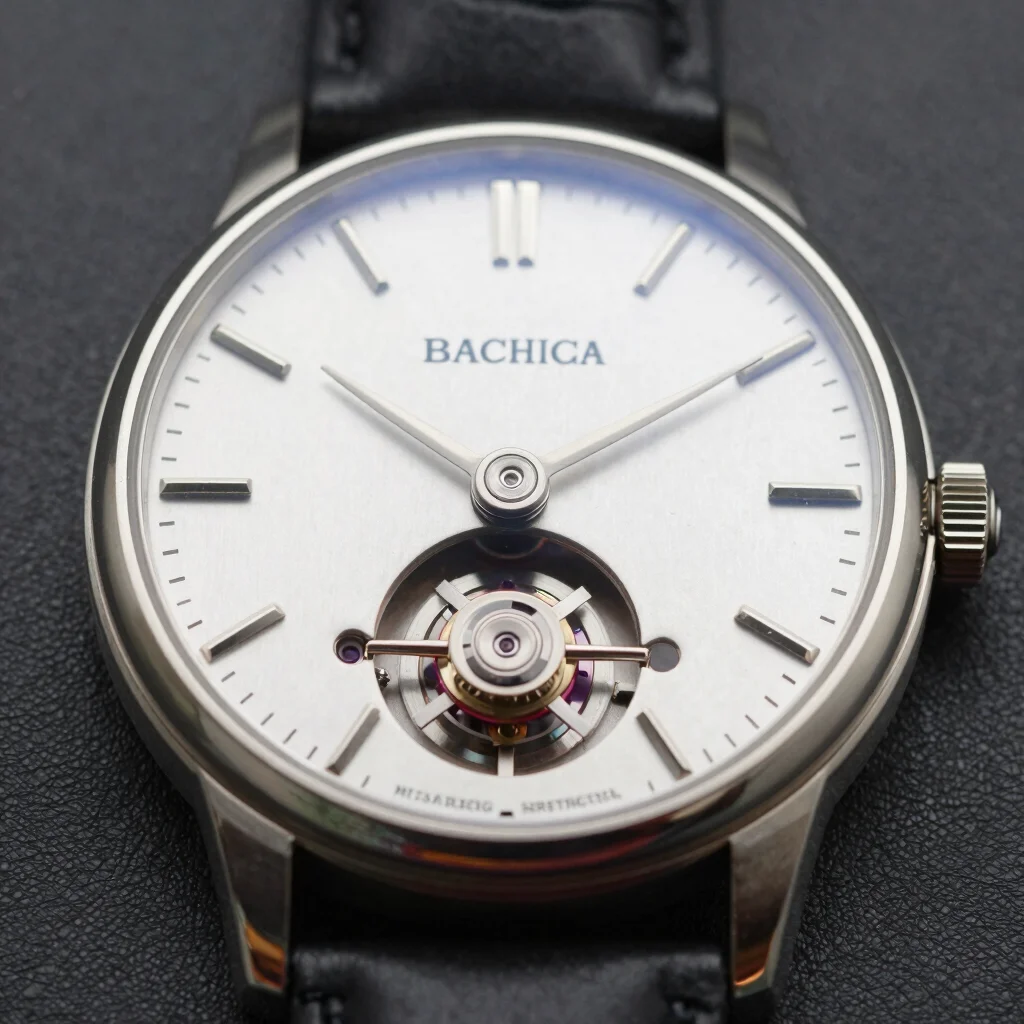
Patented at the turn of the nineteenth century, the tourbillon remains one of the most hypnotic complications in high horology. By housing the balance assembly and escapement inside a rotating cage, it continuously averages out positional timing errors. In contemporary watchmaking, its role has evolved from a functional necessity into an absolute showcase of handcraft and architectural grandeur.
The Mechanical Genesis of Gravity Compensation
When a timepiece remains stationary in a vertical position, Earth gravity exerts uneven pull on the hairspring, causing minute discrepancies in beat rate. The tourbillon cage rotates through three hundred sixty degrees typically once per minute, negating localized gravitational bias. Achieving this constant motion requires titanium or beryllium copper cages weighing less than half a gram to prevent excess energy drain from the mainspring.
Hand-Finishing and Structural Perfection
Crafting a single tourbillon carriage demands dozens of hours of meticulous hand-chamfering, mirror-polishing, and anglage. Master artisans use gentian wood pegs and diamond pastes to smooth internal corners that no mechanical CNC tool can reach. This obsession with finishing reduces parasitic friction while creating a striking interplay between light and polished steel facets.
Evaluating Tourbillon Architecture in Modern Collections
From flying tourbillons anchored only at the base to multi-axis carousel constructions, collectors evaluate these complications by their transparency and finishing rigor. Observing the delicate cage pulse through an openwork dial offers an unhindered view into pure mechanical artistry. A well-executed tourbillon represents not merely a timekeeping instrument, but a living sculpture on the wrist.